
Intellectual and Legal Contexts in Scholarly Conflicts During the High and Late Middle Ages
Do legal conditions influence the way in which scholars develop ideas, the impact these ideas have, and the way in which conflicts over them are resolved? I am investigating this question as part of my research project at the Käte Hamburger Kolleg. To this end, I am conducting a comparative study of three intellectual constellations at medieval universities, each centred on the reception of a particular philosopher, namely the Muslim author Ibn Rushd (1126–1198), known in Latin Europe as Averroes. Ibn Rushd, who worked as an author and court physician in Andalusia, was already a controversial figure during his lifetime. He had made a name for himself as the author of commentaries on Aristotle’s works. In these works, he adopted a strictly philosophical approach, without taking the requirements of Islam into account. He thus arrived at conclusions that were at times in sharp contrast to religious assumptions. His commentaries also aroused great interest amongst Christian scholars. At universities throughout Christian Europe, he was soon regarded as indispensable to the study of philosophy. As a result, Averroes was honourably referred to as ‘the Commentator’.
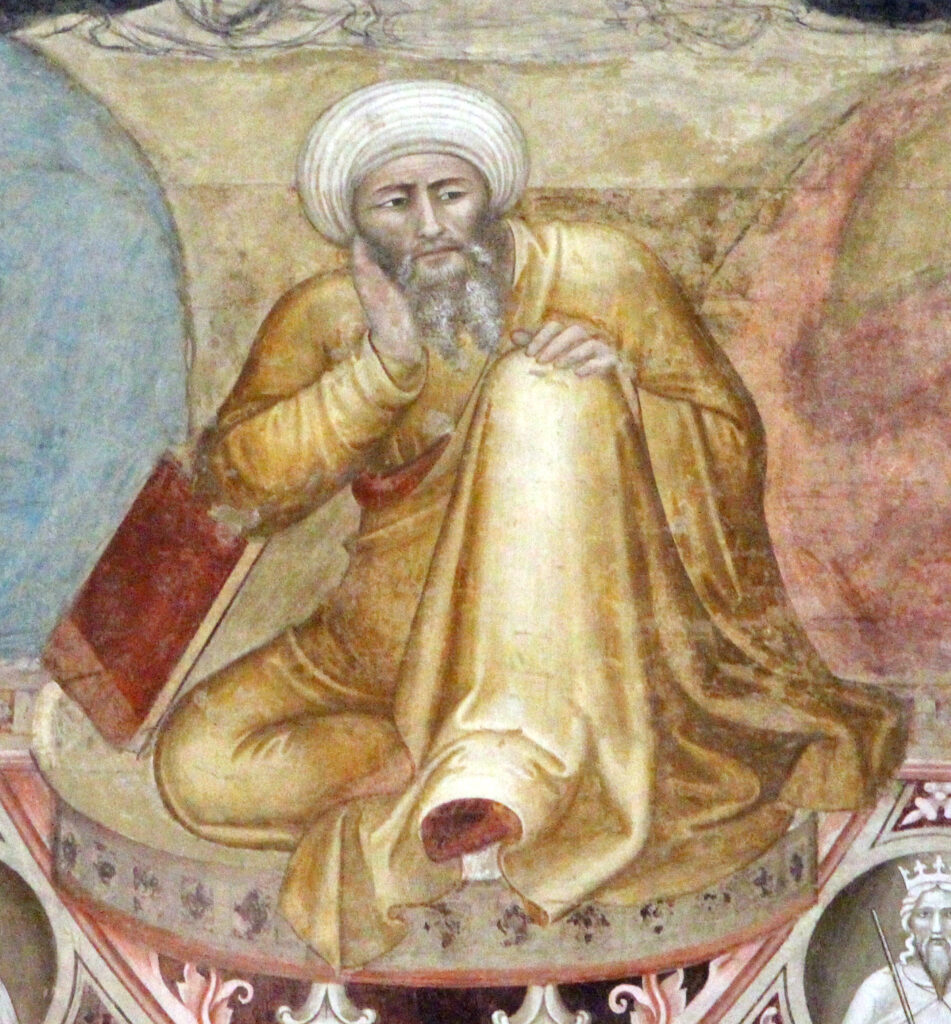
In my research project, I am comparing what is known as Averroism in 13th-century Paris with that of 14th-century Bologna and 15th-century Padua. Christian scholars had quickly realised that certain views held by Averroes (and also by Aristotle) were hardly compatible with the tenets of the faith. This concerned, in particular, the assumption that the world was eternal, and therefore not created by an omnipotent God; furthermore, the thesis that God could not possess knowledge of individual things in a specific, but only in a general way, which seemed to limit his perfection; and, finally, a position on the unity of the intellect. The starting point for this was a difficult passage from De anima, Aristotle’s treatise on the soul. Averroes interpreted these remarks to mean that there is a general active intellect and a general passive intellect common to all human beings. This was intended to explain why people are able to acquire the same knowledge. Building on Averroes’s ideas, the Averroists posited that people acquire impressions of individual things through their senses, whereby the process of cognition involves abstracting from concrete circumstances and particularities. The abstract concepts thus formed are stored in a receptive intellect, the intellectus possibilis. Whilst the concepts remain passive here, they become active in the active intellect, the intellectus agens. Averroes taught that both intellects were distinct substances, to which individual human beings were connected through their individual sensory perception. This, however, threatened central elements of Christian doctrine, in particular the individual attribution of merit and sin and the corresponding reward or punishment at the Last Judgement.
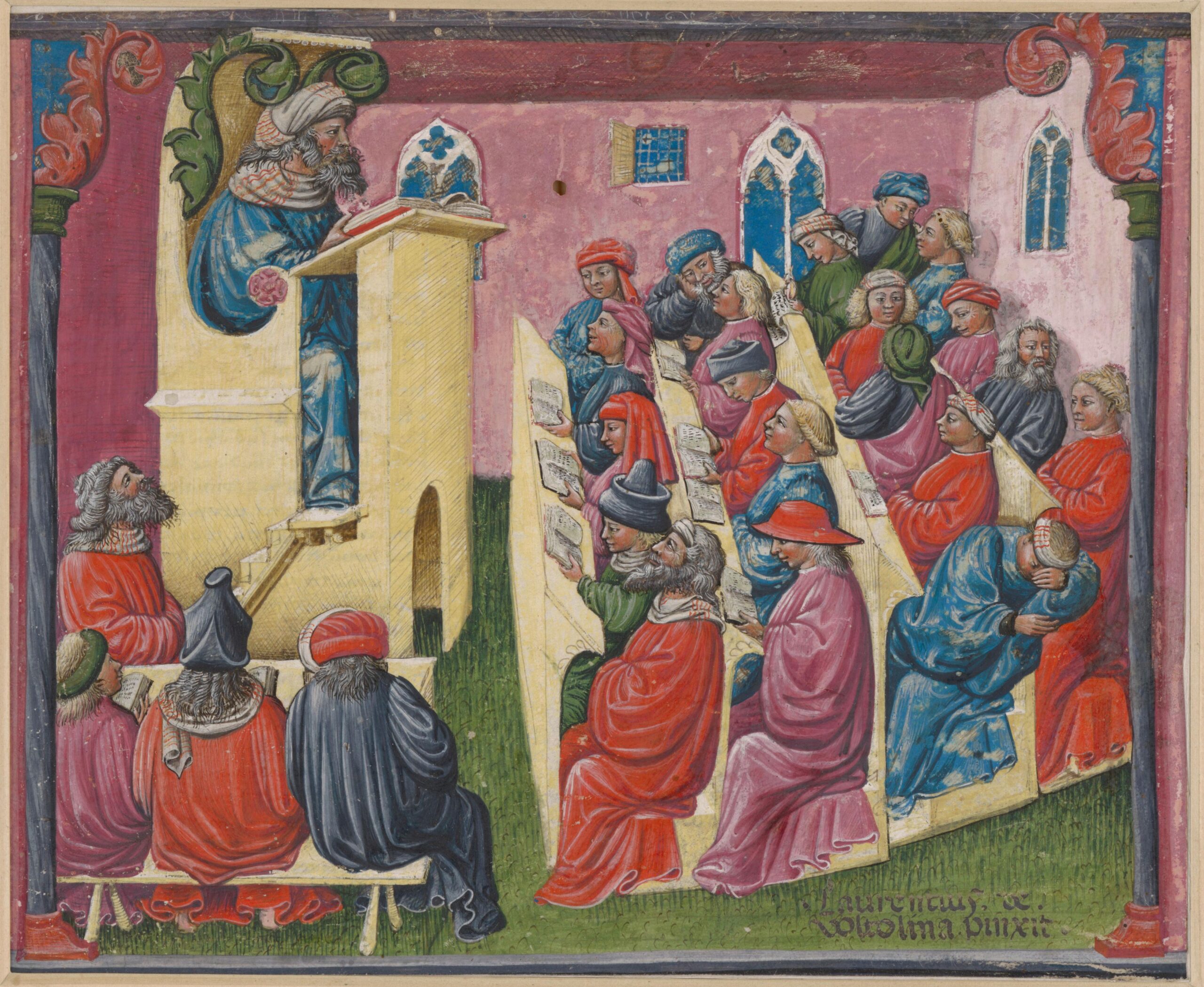
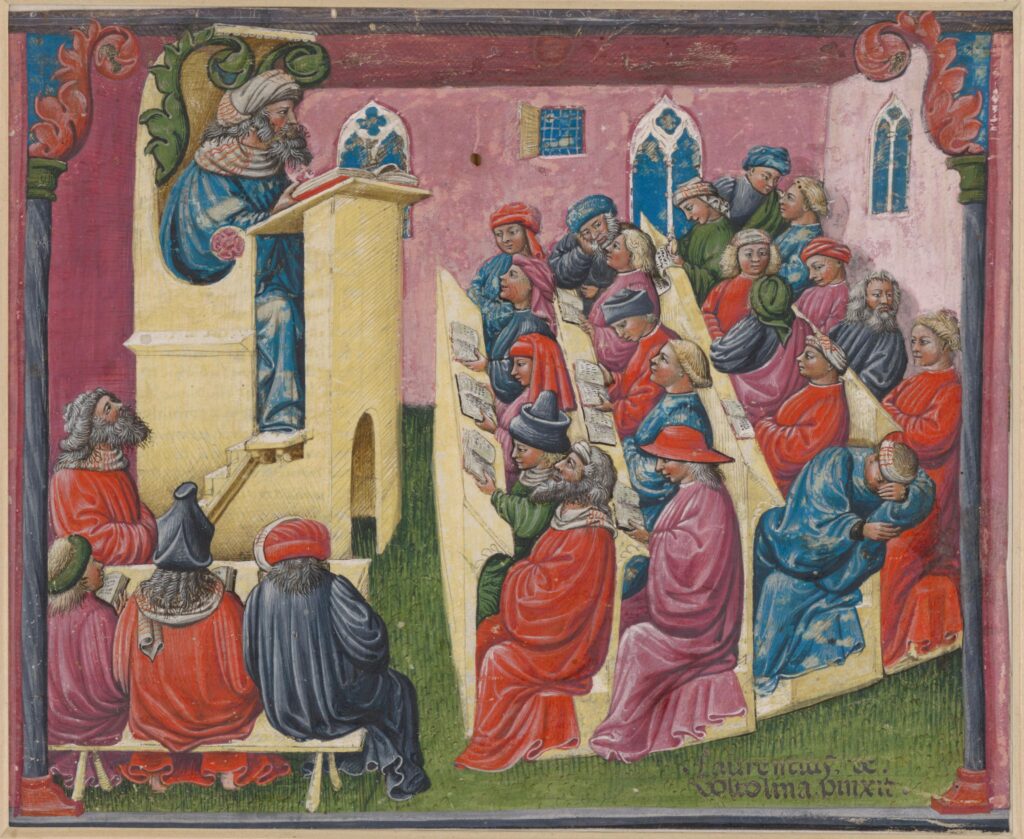
In the second half of the 13th century, a group of masters of the Arts Faculty in Paris, influenced by the writings of Aristotle and Averroes’ interpretation of them, began to develop their ideas further in a consistent manner, whilst not taking the demands of faith and revelatory knowledge into account. Masters such as Siger of Brabant and Boethius of Dacia claimed to proceed strictly in accordance with natural reason. Their teachings soon caused offence to ecclesiastical authorities and professors of theology alike, leading to the condemnation of numerous Averroist theses in 1270 and 1277. These were henceforth forbidden to be taught. The careers of the masters concerned were brought to an end, even though they were not named in the condemnation.
Averroism nevertheless experienced a new heyday in the 14th century, in Paris through the highly controversial John of Jandun, and in Bologna, where some of the Parisian Averroists’ pupils had taken refuge. What is remarkable, however, is that the development there did not follow the same pattern as in Paris. The Averroists of Bologna taught and thought in a manner just as radical as their Parisian role models, yet no authority intervened to censor them. Scholars such as Taddeo of Parma and Matteo of Gubbio developed bold ideas without being persecuted for them; on the contrary, they went on to enjoy successful careers. In 15th-century Padua, the situation initially appeared to be much the same. Philosophers such as Nicoletto Vernia, Alessandro Achillini and Agostino Nifo caused little controversy there for a long time. In 1489, however, Bishop Barozzi prohibited the teaching of Averroist positions. Finally, in 1513, the Fifth Lateran Council confirmed that the unity of the intellect was not to be taught. Vernia and Nifo publicly distanced themselves from Averroism, yet research has shown that they continued to discuss Averroist ideas, whilst insisting that they did not hold them to be true.
The writings of the Latin Averroists have been studied relatively thoroughly, yet little attention has been paid to the legal and social conditions underpinning these intellectual dynamics. This is where my research project comes in. In the Middle Ages, universities were organised as corporations with their own rights. The example of 14th-century Averroism in Bologna shows that a certain degree of intellectual autonomy developed as long as the power of the ecclesiastical authorities – in this case, that of the bishop of Bologna – remained limited. The situation in Paris was quite different: the masters of the Arts Faculty were in conflict with the local bishop and the professors of the Faculty of Theology. As they did not themselves hold citizenship and, moreover, held their benefices in their home regions, the university’s legal autonomy could not protect them. In Padua in the late 15th century, however, the Venetian rulers of the city severely curtailed the bishop’s power over the university; moreover, the lecturers and professors were closely linked to city society. Some held citizenship in Padua or neighbouring towns; many were wealthy and owned property in the city, or were related to members of the elite. This, however, enabled them to exploit their affiliation with different jurisdictions tactically, in order to evade the authorities’ actions at least to the extent that even a condemnation of their theses would not cause lasting damage to their careers. At least as long as they were prepared to make – in some cases, clearly half-hearted – declarations that they would no longer teach the theses condemned by the local bishop as true in future. Yet they by no means refrained from discussing these – albeit critically – in their lectures and writings. A comparison of the three schools of Averroism in Paris, Bologna and Padua thus shows that legal pluralism increased the scope for action available to medieval scholars. However, when – as in the case of Paris – attacks on individuals and ideas came not only from outside but also from within the university itself, it could become risky to develop bold ideas. In such cases, the only options were to flee and to hope that one’s ideas would be taken up elsewhere.
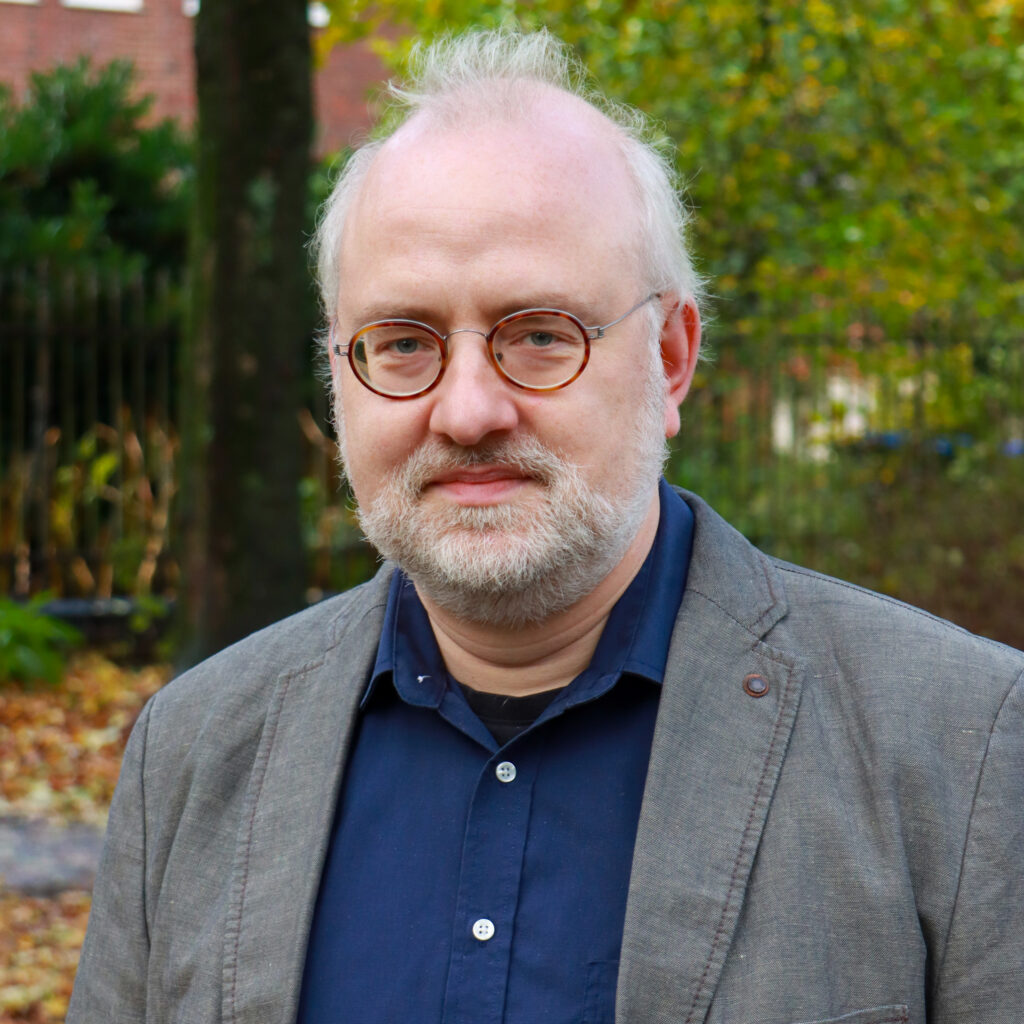
PD Dr. Jan-Hendryk de Boer is a medieval historian at the University of Duisburg-Essen. His research focuses on the history of ideas and scholarship, the history of the papacy, and the theory of history. In 2025/2026, he was a fellow at the Käte Hamburger Kolleg.
Cite as:
de Boer, Jan-Hendryk, When Masters Disagree, EViR Blog, 14.10.2026, https://www.evir.uni-muenster.blog/en/when-masters-disagree/.
License:
This work is licensed under a Creative Commons Attribution-ShareAlike 4.0 International License.



Leave a Reply